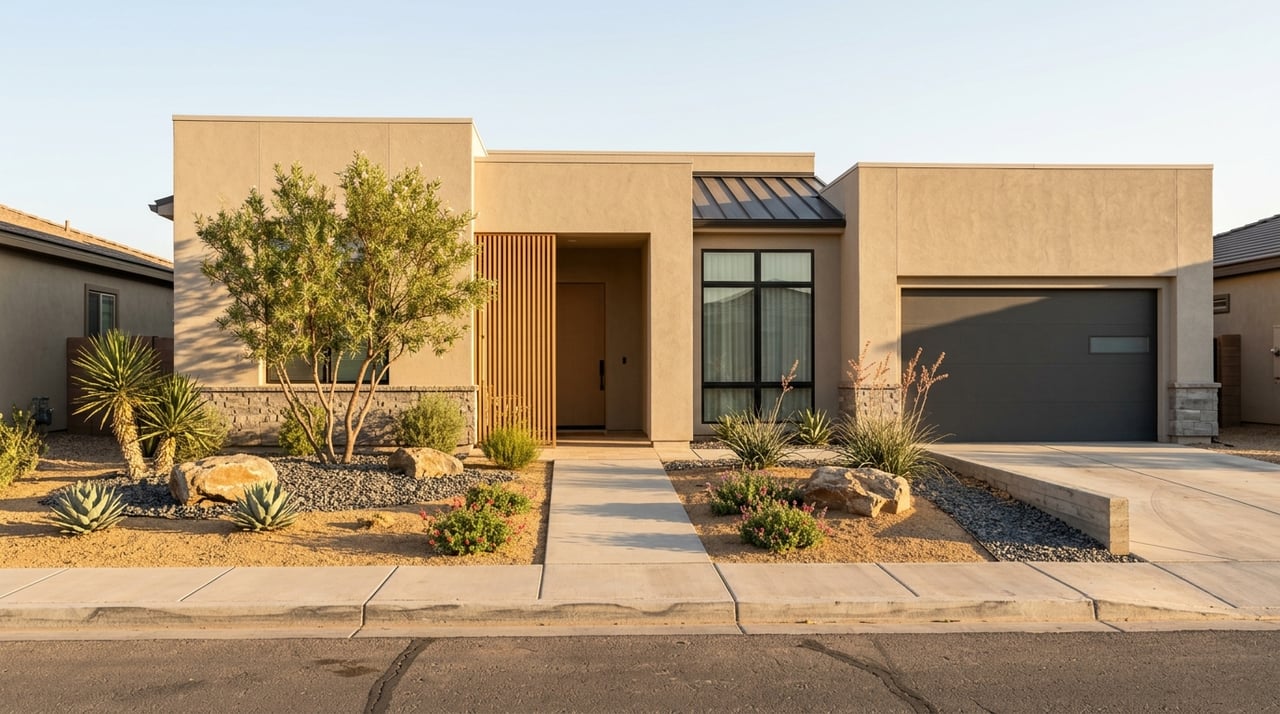
If you are thinking about living in Hurricane, Utah, you probably want to know what day-to-day life actually feels like, not just what shows up in listing photos. That is a smart question, especially in a fast-growing city where recreation, housing, and daily convenience do not all look the same from one area to the next. In this guide, you will get a practical look at commutes, parks, neighborhoods, housing costs, and the tradeoffs that shape everyday life in Hurricane. Let’s dive in.
Hurricane at a Glance
Hurricane sits on the eastern edge of the St. George metro area and works as a smaller hub within Washington County. The city’s 2025 estimated population is 25,745, up from 20,042 in 2020, which helps explain why growth, housing, and local services are such active topics.
For many buyers, Hurricane offers a middle ground. You are about 20 miles northeast of St. George and roughly 20 minutes from Zion National Park, which gives you access to a broader service economy while keeping you close to some of Southern Utah’s best outdoor destinations.
Daily Routines in Hurricane
Commutes Are Reasonably Short
If you work in or around the St. George area, Hurricane can offer a manageable commute. The Census Bureau reports a mean travel time to work of 22.1 minutes, which is fairly short by national standards.
Road access is an important part of daily life here. Hurricane connects through SR-9 and the Southern Parkway, also known as SR-7, a 26-mile regional route that links St. George and Hurricane and provides an alternative to I-15.
Public Transit Exists, but It Is Limited
If you prefer not to drive every day, there is some regional transit service, but it is not a full urban-style system. The SunTran Zion route connects St. George, Washington, Hurricane, La Verkin, Virgin, and Springdale.
The route runs from 5:40 a.m. to 8:30 p.m., costs $5 one way, and does not operate on Sundays. That can be useful for some trips, but most residents will still find that driving is the main way to get around.
Walkability and Biking Are Still Evolving
Hurricane is working toward a more connected pedestrian-friendly layout, but that work is still in progress. In the city’s active transportation planning process, many respondents said biking was difficult or very difficult, while walking was generally easier.
Residents also asked for more sidewalks in developed areas and more separated bike facilities. If you want highly walkable, bike-connected living, it is worth looking closely at the specific neighborhood and street pattern before you buy.
Errands, Dining, and Convenience
Everyday Services Are Growing
Hurricane covers many daily basics, but it is still developing its downtown and retail mix. In the city’s 2023 Downtown Master Plan, 75.1% of respondents said there were not enough service and retail options downtown.
The same plan found that 72.9% wanted more date-night dining. Suggested future uses included a food hall, ice cream parlor, bakery, and coffee shop or roastery, which tells you the local dining scene is growing rather than fully built out.
What That Means for You
In practical terms, Hurricane can be a strong fit if you do not mind driving for some errands, dining, or specialty services. Many residents enjoy the balance of a smaller city feel with access to the wider St. George area when they need more options.
If your ideal lifestyle depends on dense commercial convenience, nightlife, or a large restaurant scene a few blocks from home, Hurricane may feel more limited. Knowing that upfront can help you choose the right part of town or decide whether the city matches your priorities.
Parks and Outdoor Life
Outdoor Access Is a Major Draw
In Hurricane, outdoor recreation is not just a weekend activity. The city’s Parks Department describes the mild winters and sunshine as making recreation a way of life, and that shows up in the range of local amenities.
Public spaces include the Community Center and Splash Pad, American Legion Sports Complex, Confluence Park, Dixie Springs Park, Dog Park, Grandpa’s Pond, and the city pool. Hurricane has also been recognized as a Tree City USA community for eleven straight years.
Parks Support Everyday Use
One of the best examples of daily-use recreation is Grandpa’s Pond. It includes a fishing pond with a dock, restrooms, and a walking trail around the pond.
That kind of setup makes it easy to fit outdoor time into an ordinary day. You do not have to plan a major outing to enjoy the landscape or spend time outside close to home.
Big Recreation Is Close By
Hurricane also stands out because larger outdoor destinations are so close. The city lists Sand Hollow State Park and Quail Creek State Park within city limits, along with part of the Red Cliffs Desert Reserve and the Hurricane Cinder Knolls Trailhead.
Sand Hollow is known for boating, fishing, diving, camping, and OHV dune riding. Quail Creek is known for boating, fishing, hiking, and camping. If you want a recreation-first lifestyle, Hurricane makes that easy to picture.
Community Life and Local Events
Hurricane Has a Strong Local Calendar
Some smaller cities have parks and trails but not much community programming. Hurricane offers both, and that helps shape its everyday feel.
Peach Days is one of the clearest examples. This long-running Labor Day weekend event includes displays, contests, a parade, rodeo, vendor and food booths, and entertainment, giving the city a visible annual tradition that many residents look forward to.
Small-City Identity Still Shows Up
As Hurricane grows, local events help preserve a sense of place. That matters if you want more than just a house and are also looking for a city with recognizable traditions and shared gathering spaces.
For many buyers, that mix of growth and local identity is part of the appeal. You get access to a changing market and newer housing opportunities, but you still see signs of an established community rhythm.
Housing Costs and Neighborhood Variety
Ownership Is a Big Part of the Market
Hurricane remains a strongly owner-occupied city. The Census Bureau reports a 74.7% owner-occupied housing rate, a median owner-occupied home value of $456,000, median monthly owner costs with a mortgage of $1,829, median gross rent of $1,426, and median household income of $75,016.
Those numbers are helpful if you are trying to compare Hurricane with nearby communities or estimate how monthly living costs may fit into your budget. They also show why buyers often look carefully at neighborhood, home type, and long-term value when shopping here.
Neighborhoods Do Not All Feel the Same
One of the most important things to understand about Hurricane is that it is not one uniform housing experience. Different parts of the city offer different patterns, access points, and day-to-day advantages.
Older grid-style neighborhoods near the center can feel different from denser townhome areas north of downtown. Newer south-end communities near Sand Hollow, including Dixie Springs, Sand Hollow Resort, and Elim Valley, often connect more directly to recreation-oriented living.
Growth Areas Bring Different Tradeoffs
City planning documents describe a future that includes stable single-family neighborhoods, retirement communities, affordable and well-designed multifamily development, and residential agriculture that supports aging in place. That range matters because it means buyers can often find several lifestyle options within the same city.
There are also practical differences between areas. For example, the city notes that some south-side growth areas are served by a different electric provider than central Hurricane, which is a reminder to look beyond price and square footage when comparing neighborhoods.
Pros and Tradeoffs of Living in Hurricane
What Many Buyers Like
Hurricane tends to work well for buyers who want easy access to parks, trails, and state parks while staying connected to the broader St. George region. The city also offers relatively short commutes and a stronger event calendar than many smaller cities.
If your ideal day includes outdoor access, practical housing choices, and a smaller-city base, Hurricane checks a lot of boxes. It can be especially appealing if you value landscape, open space, and newer community growth.
Where Some Buyers May Hesitate
The tradeoffs are also real. Hurricane’s own planning work shows ongoing demand for more dining, retail, and service options, and the city’s active transportation survey points to continued need for better bike and pedestrian connections.
That means Hurricane may feel more car-dependent and less built out than some buyers expect. If your priorities lean heavily toward walkability, nightlife, or a fully established commercial core, you will want to weigh those needs carefully.
Who Hurricane Fits Best
Hurricane is often a good match if you want a small-city home base inside the larger St. George region. It can be a smart option for buyers who care more about recreation access, neighborhood variety, and room for growth than dense urban convenience.
It can also be a useful market to explore if you are comparing resale homes, townhomes, newer communities, or even investment-oriented opportunities in Southern Utah. The key is to match the part of Hurricane you choose with the way you want to live every day.
If you want help narrowing down neighborhoods, comparing housing options, or understanding how different parts of Hurricane function in real life, Mitchell Godfrey can help you make a clear and confident plan.
FAQs
What is everyday commuting like in Hurricane, Utah?
- Hurricane’s mean travel time to work is 22.1 minutes, and the city connects to the region through SR-9 and the Southern Parkway, making commutes to nearby areas generally manageable.
What is public transportation like in Hurricane, Utah?
- Hurricane has access to the SunTran Zion route, which connects several regional communities, but service is limited, costs $5 one way, does not run on Sundays, and most residents still rely on driving.
What outdoor recreation is available in Hurricane, Utah?
- Hurricane offers city parks, the Community Center and Splash Pad, Grandpa’s Pond, the city pool, and access to Sand Hollow State Park, Quail Creek State Park, part of the Red Cliffs Desert Reserve, and the Hurricane Cinder Knolls Trailhead.
What are housing costs like in Hurricane, Utah?
- Census data shows a median owner-occupied home value of $456,000, median monthly owner costs with a mortgage of $1,829, median gross rent of $1,426, and median household income of $75,016.
What kind of homebuyer is Hurricane, Utah best for?
- Hurricane is often a strong fit if you want a smaller-city setting with access to the St. George area, outdoor recreation close to home, and a mix of older neighborhoods, townhomes, and newer growth areas.