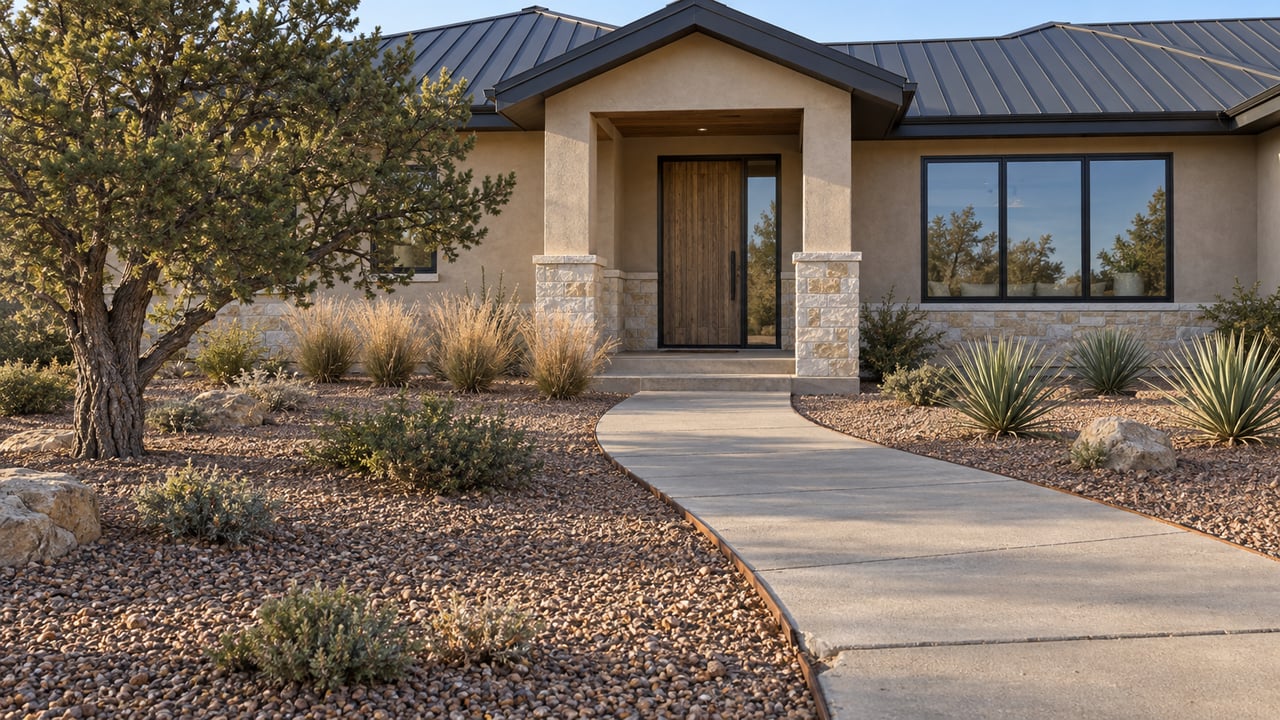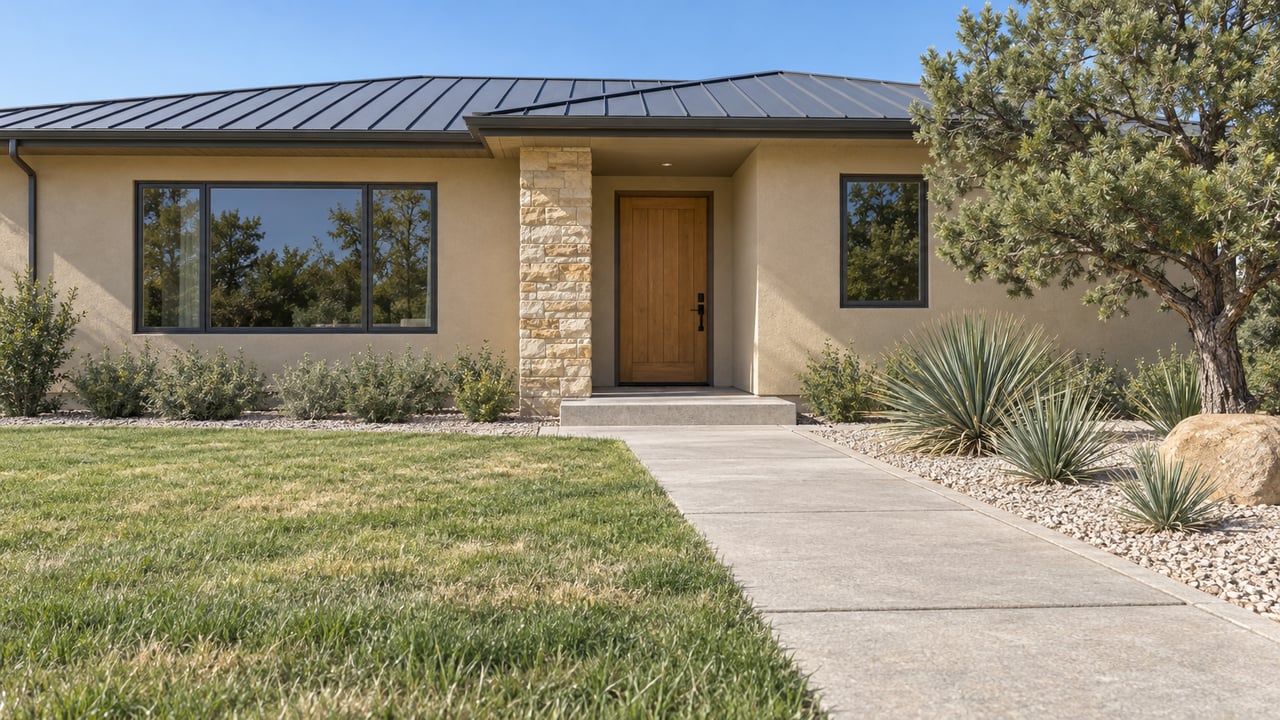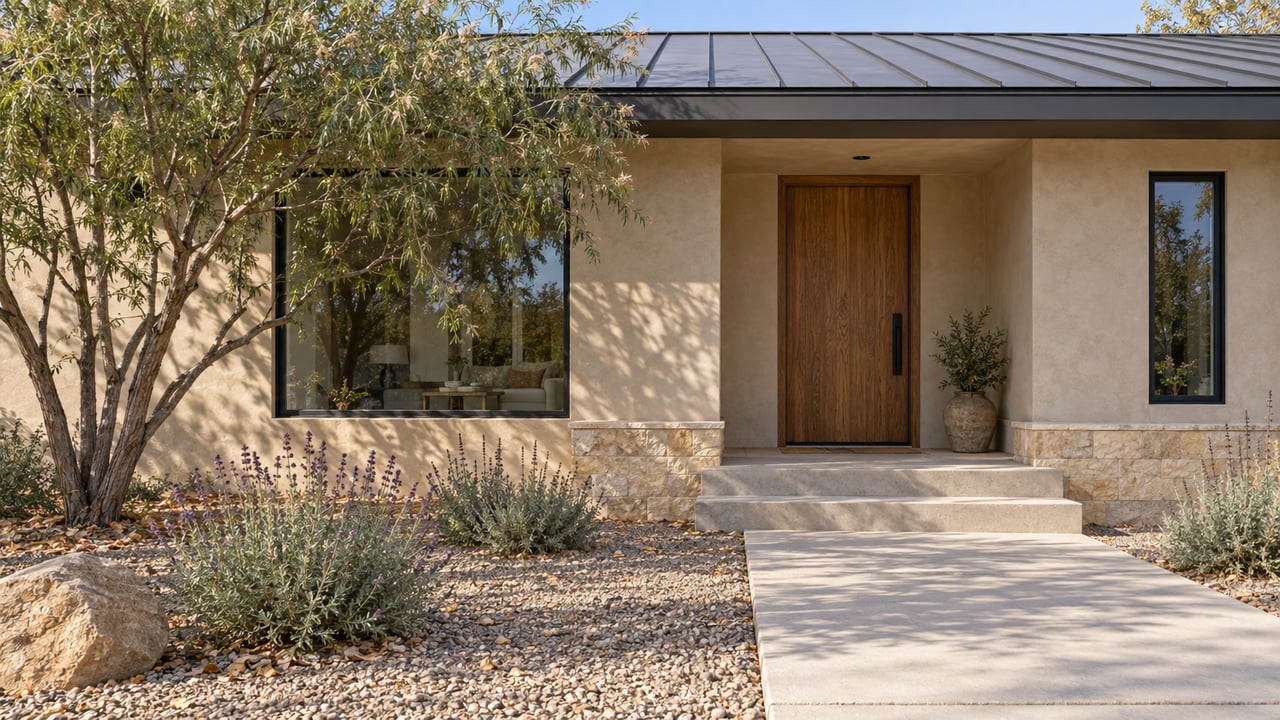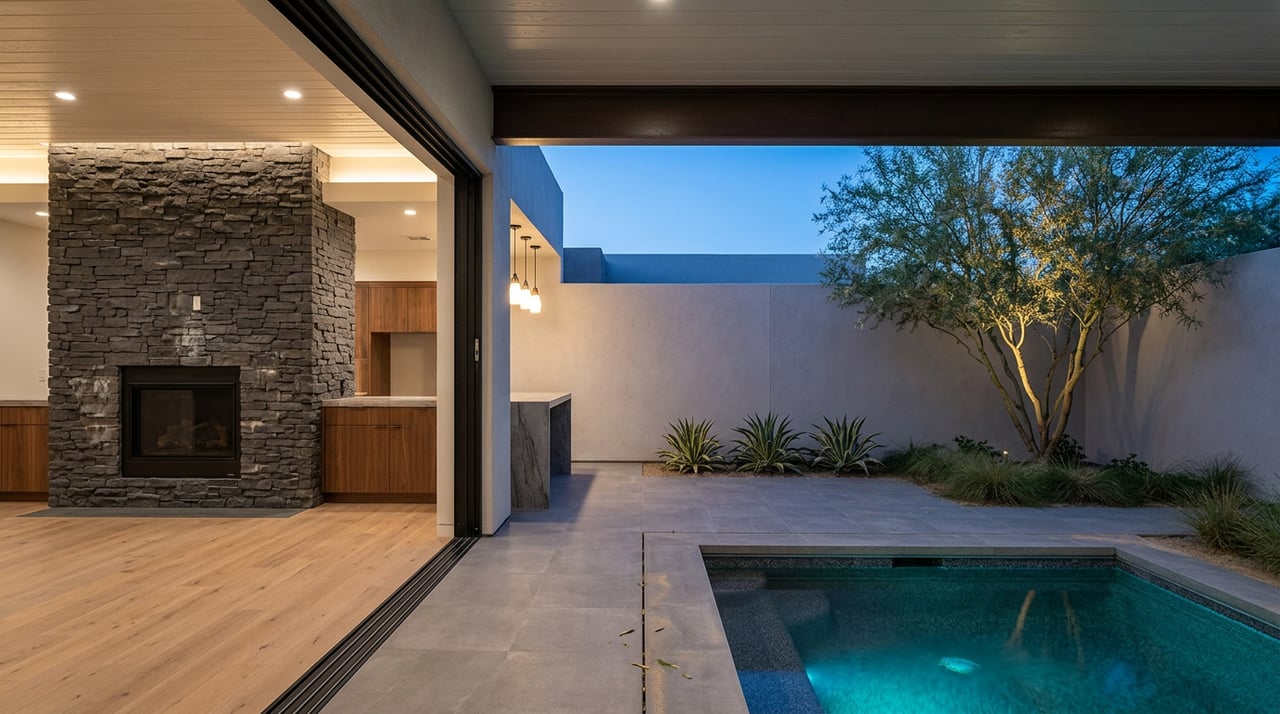
Two three-bedroom homes are listed for almost the same price this month in Hurricane. One sits in a quiet subdivision off 100 South, five minutes from Main Street. The other sits inside Sand Hollow Resort's The Retreat, a golf-course community on the city's western edge. Same square footage, similar finish level, similar price.
That split has nothing to do with the builder, the HOA fee, or the view. It comes straight out of Hurricane City's zoning code doing exactly what it was written to do.
The Cap Nobody Mentions on the Listing Sheet
Hurricane's short-term vacation rental ordinance treats single-family zones as a finite resource. Buy a home in a standard subdivision, and before you can host a single guest, you need a business license issued by the city. The city does not hand those out without limit. Under Hurricane City's short-term rental ordinance, each licensed rental has to sit at least 300 feet from the next one, and the total number of licenses available in single-family zones is capped in proportion to the city's population. Once that pool fills, new applicants go on a waiting list. When a slot opens, the next name on the list gets 45 days to file a complete application and six months after that to finish the process.
Hurricane's population sat at roughly 27,000 as of 2026 estimates, up about a third since the 2020 census counted just over 20,000. A license pool that grows only as fast as the city's population means the number of available single-family-zone licenses moves slowly, on the city's clock, not the market's. Buy a house outside the resort zone hoping to run it as a nightly rental, and you may be buying a spot in line rather than a business.
Why the Investment Money Lands at Sand Hollow
Hurricane wrote a different rule for one part of the city. Hurricane City's Business Licensing page lists vacation rentals in Recreational Resort areas as a permitted use, but says they still require a city license. That's a structural difference, not a marketing one.
That's the real reason new construction marketed as turnkey vacation property in Hurricane clusters at Sand Hollow instead of spreading evenly across town. The resort includes The Dunes, Tava, The Estates, The Retreat, the villas, and the newer Elim Valley section, sometimes marketed under the name Aerie. Builders active in the resort, including CareFree Homes and MG Homes, are selling there.
The Zone Doesn't Guarantee the License
Here's where buyers get caught. Sitting inside the Recreation Resort Zone means the city allows nightly rental as a use. It does not mean every home inside that zone is cleared to operate that way. Homeowners' associations layer their own rules on top of the city's.
For anyone running the numbers on an Airbnb purchase, the due diligence question isn't "is this in Hurricane" or even "is this at Sand Hollow." It's which HOA governs this specific lot, and what that HOA's recorded rental restrictions actually say. That document, more than the city zoning map, is often what settles the question.
What the Occupancy Numbers Are Actually Telling You
Hurricane's short-term rental market carried 1,329 active listings as of May 2026, according to AirDNA's tracked data. The average listing earned about $37,600 in trailing twelve-month revenue, booked at 50% of available nights, at an average daily rate of $350. Compare May 2025 to May 2026, and revenue per listing fell 11.5% while occupancy dropped nearly 4 percentage points. Over the same stretch, average daily rate climbed 6.5% and the total count of active listings ticked down slightly.
Read those numbers next to the zoning story and they line up. Rates are rising because the resort zone, where city zoning allows new nightly-rental supply subject to HOA rules, sits inside a lodging market that also competes for the same guest as Zion's gateway towns and greater St. George. Hosts can push rate to compensate. But occupancy and total revenue per listing are still slipping, which points to guest demand not keeping pace with the properties competing for it inside that one zoned pocket of the city. Meanwhile, the single-family side of the market stays effectively frozen by the license cap, unable to add supply no matter how strong demand runs. Two different supply stories are playing out inside one city limit, and a single citywide average blends them into something that describes neither one accurately.
Washington City Draws a Different Line
Hurricane isn't unusual in Southern Utah for regulating where nightly rentals can happen. Washington City, a few miles west, takes a different structural approach. According to Home Team Luxury Rentals, short-term rentals are classified as congregate living facilities and are permitted only in specific approved subdivisions, including Casitas at Sienna Hills, Coral Ridge, and Escondido. Properties sleeping 11 or more guests require fire sprinklers, and every short-term rental in the city needs an annual fire inspection regardless of size.
The mechanism is different from Hurricane's population-tied cap, but the effect is the same. In both cities, the zoning map, not the sale price, decides whether a home can legally operate as a nightly rental. A buyer comparing Hurricane and Washington City for investment property is really comparing two different rulebooks answering the same basic question, and neither rulebook shows up on a standard listing sheet.
What This Means Before You Write an Offer
If short-term rental income is part of the reason you're buying in Hurricane, the property's legal status as a rental is worth confirming before its finishes or its view. That means requesting the HOA's current governing documents for the specific lot, confirming with Hurricane City's Planning and Zoning office whether the parcel sits inside the Recreation Resort Zone or a standard single-family zone, and if it's the latter, asking directly whether a license already exists on the property or whether you'd be applying fresh into a capped pool.
Frequently Asked Questions
Does an existing Airbnb listing mean the home already has a valid city license? Not automatically. Ask the seller for the current business license number and confirm directly with the city that it transfers with the sale rather than expiring or requiring a fresh application under the new owner.
If I buy inside Sand Hollow's Recreation Resort Zone, does that guarantee I can rent nightly? No. City-level zoning is only one part of the question; ask which HOA governs the lot and what that HOA's recorded rental restrictions say.
Can I check the single-family zone license cap before I buy? Yes. Hurricane City's Planning and Zoning office can confirm whether a specific address holds an existing license, whether the citywide cap is currently full, and where a new application would land on any waiting list.
If you're weighing a Hurricane property against other Washington County options for short-term rental income, Basalt Realty & Property Management can help you check the zoning and HOA layers before you write an offer, not after. Schedule a free consultation with our team to talk through what a specific address can and can't legally do.
This article is general information, not legal, tax or financial advice. Consult a qualified professional about your situation.